Disposable Hot Biopsy Forceps Monopolar · ZYM-FD Series
 🔍 Click to enlarge
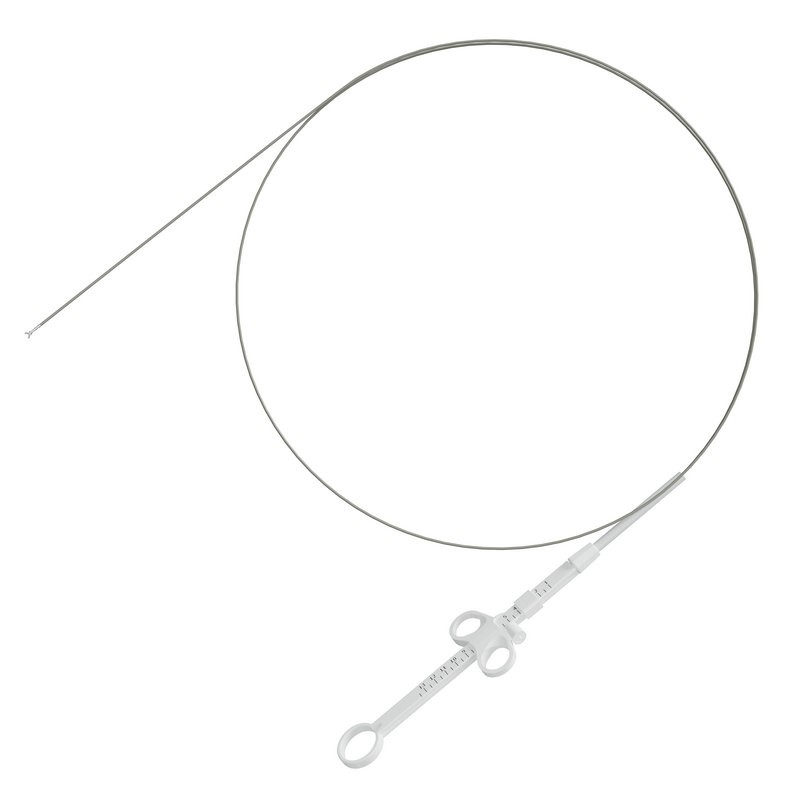
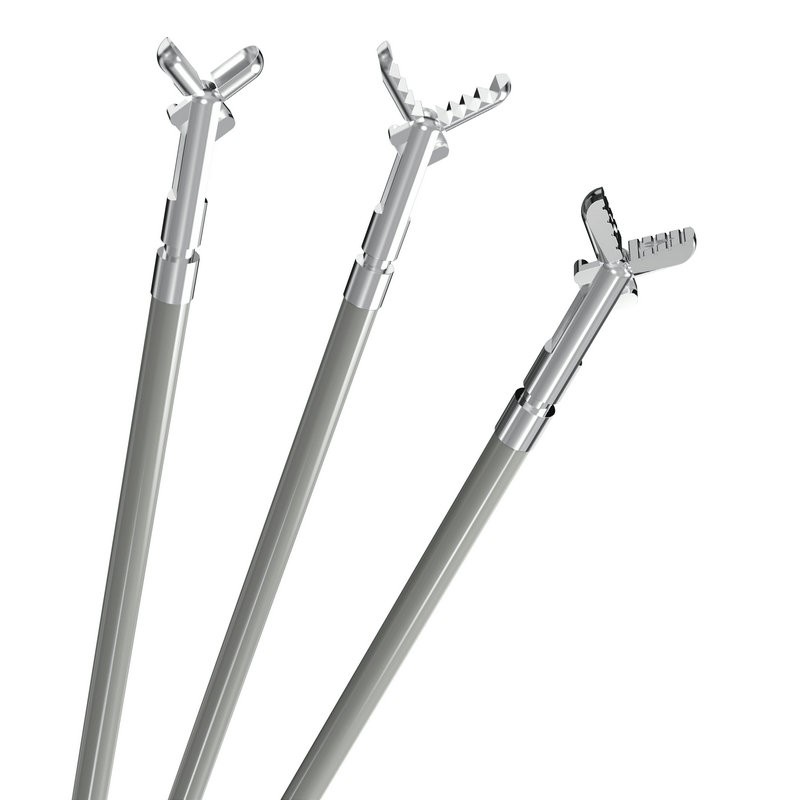
Single-use, EO-sterile monopolar hot biopsy forceps used with a high-frequency electrosurgical unit to grasp and cauterize small GI polyps. 2.4mm insertion tube, 1800 / 2300mm working lengths; flat, peaked and alligator jaw types, anti-stick cup and 360° synchronized rotation.
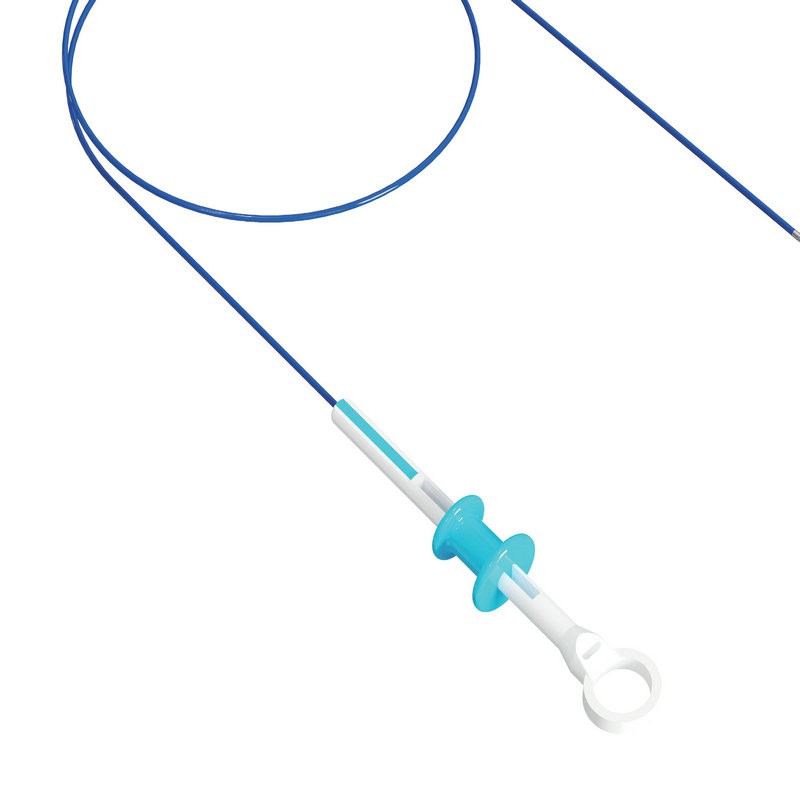
PURETH disposable hot biopsy forceps are monopolar electrosurgical instruments used together with an endoscope and a high-frequency electrosurgical (cautery) unit to grasp tissue and remove small polyps in the digestive tract. The 2.4mm insertion tube is offered in 1800mm for gastroscopy and 2300mm for colonoscopy, with three cup styles and a rotatable three-ring handle.
While the cup holds the tissue, high-frequency current concentrates on the outer edge of the jaws to cut and coagulate simultaneously, helping control bleeding. An anti-stick cup design reduces tissue adhesion and excessive eschar, and 360° synchronized rotation lets the operator orient the jaws precisely. The cup geometry is adapted for the thinner and thicker walls of the upper and lower digestive tract. The instrument is passive — it does not generate heat by itself and must be connected to an electrosurgical unit.
Key Features
- Cut & coagulate in one step — monopolar current concentrated at the cup rim removes small polyps and cauterizes the base for hemostasis.
- Anti-stick cup — groove design reduces tissue adhesion and eschar build-up, preventing excessive coagulation of the resection margin.
- 360° synchronized rotation — the jaws and shaft rotate together for accurate, controlled targeting of the lesion.
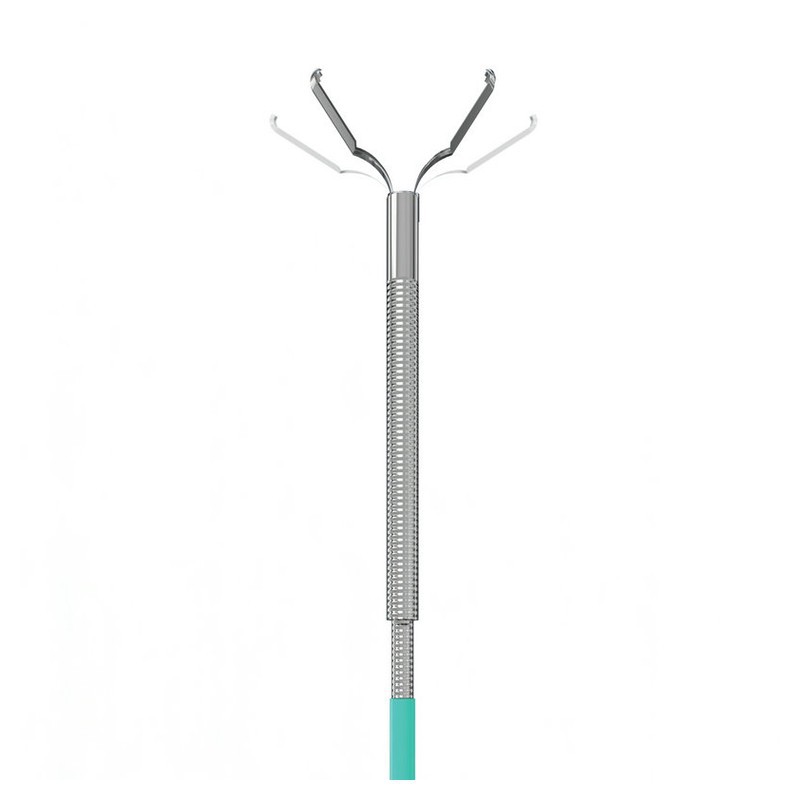
- Three jaw types — flat (oval) for routine polypectomy, peaked (pointed) for larger areas and vessel coaptation, and alligator (serrated) for a firm grip on slippery tissue and small-vessel closure.
- Non-slip jaw edge — serrated/non-slip cups grasp tissue securely during cautery.
- Upper & lower GI — cup shapes adapted to the different wall thicknesses of the stomach and colon; 1800 / 2300mm lengths.
- EO sterile, single use — individually packaged; no cross-infection, no reprocessing.
FAQ
What is the difference between hot biopsy forceps and regular (cold) biopsy forceps?
Cold biopsy forceps mechanically pinch off a tissue specimen without electricity. Hot biopsy forceps are monopolar and connect to a high-frequency electrosurgical unit: while the cup grasps the polyp or tissue, current is applied to cut and coagulate at the same time, providing hemostasis. They are mainly used for small GI polyps and cauterized tissue sampling, whereas standard biopsy forceps are used across GI and respiratory channels for histology specimens.
Do the forceps generate heat on their own?
No. These are passive monopolar accessories — they do not contain a power source. They must be connected to a standard high-frequency electrosurgical (cautery) unit and used with a patient return electrode; the endoscopist sets the power level and cutting/coagulation mode according to the equipment and the procedure.
Which jaw type should I choose — flat, peaked or alligator?
The catalog offers three cups. Flat (smooth oval) jaws are the general choice for polyp removal; peaked (pointed) jaws suit larger areas and the sealing/coaptation of thicker or bleeding vessels; the alligator (crocodile, serrated) jaw gives a stronger grip on slippery tissue and is used for grasping and small-vessel closure. All are available in 1800mm (gastroscope) and 2300mm (colonoscope) lengths.
What channel size and scope do they fit?
The insertion tube is 2.4mm in outer diameter, so a working channel of about 2.8mm or larger is recommended. The 1800mm models are intended for gastroscopy and the 2300mm models for colonoscopy. Jaw opening is 3mm or 4mm (±0.5mm) depending on the model.
What certifications and export documents are available?
PURETH products are manufactured in accordance with the ISO 13485 quality management system and hold Class II registrations for the domestic market from the National Medical Products Administration (NMPA) of China. Export documents, free sale certificates, and specific market certificates (such as CE) will be provided or confirmed during the order phase; please inform us of your destination country and model list.
Standard model range (ZYM-FD series). Three jaw types in two working lengths; all use a 2.4mm insertion tube for a working channel of about 2.8mm or larger:
| Model | Tube OD | Working Length | Jaw Type | Opening | Typical Scope |
|---|---|---|---|---|---|
| ZYM-FD-23-180-A | 2.4 mm | 1800 mm | Flat (oval) — A | 3±0.5 mm | Gastroscope |
| ZYM-FD-23-230-A | 2.4 mm | 2300 mm | Flat (oval) — A | 3±0.5 mm | Colonoscope |
| ZYM-FD-23-180-B | 2.4 mm | 1800 mm | Peaked (pointed) — B | 4±0.5 mm | Gastroscope |
| ZYM-FD-23-230-B | 2.4 mm | 2300 mm | Peaked (pointed) — B | 4±0.5 mm | Colonoscope |
| ZYM-FD-23-180-C | 2.4 mm | 1800 mm | Alligator (serrated) — C | 3±0.5 mm | Gastroscope |
| ZYM-FD-23-230-C | 2.4 mm | 2300 mm | Alligator (serrated) — C | 3±0.5 mm | Colonoscope |
Code structure: ZYM-FD = hot biopsy forceps · 23 = insertion tube 2.4mm (channel ≥2.8mm) · 180/230 = working length 1800/2300mm · suffix A/B/C = flat / peaked / alligator jaw. Monopolar — connect to a high-frequency electrosurgical unit with a patient return electrode. EO sterile, single use.
Applications
Monopolar hot biopsy for small-polypectomy and cauterized sampling across the upper and lower gastrointestinal tract.
Small-Polypectomy
Grasp and cauterize small gastric polyps in one step with the 1800mm models; current seals the base to limit bleeding.
Colon Polyps & Sampling
The 2300mm models remove diminutive colonic polyps and take cauterized tissue specimens during colonoscopy.
Vessel Coaptation
Peaked and alligator cups help coapt and coagulate small bleeding points; the anti-stick rim limits eschar and margin damage.