
Why Single-Use Endoscopy Keeps Gaining Ground in 2026
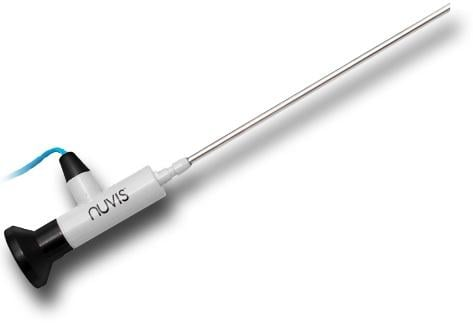
The shift toward single-use endoscopic devices is no longer a niche conversation limited to infection-control specialists. Heading into 2026, the category is being evaluated by hospital procurement teams as part of a broader calculation that includes reprocessing labor, room turnover, equipment replacement, and exposure to infection-related events.
From unit price to procedure economics
The global disposable endoscopes market was valued at roughly USD 2.2 billion in 2025 and is projected to reach about USD 9.2 billion by 2035, according to Global Market Insights — a compound annual growth rate of around 15.7%. Analysts note that buyers increasingly compare single-use platforms against the combined cost of reusable instruments rather than the sticker price of an individual device. (Global Market Insights, Disposable Endoscopes Market)
That matters because reprocessing complex flexible scopes is labor-intensive and sensitive to human error. When the cost of trained staff, high-level disinfection, quality checks, and capital depreciation is added together, single-use devices become competitive in a growing number of settings — particularly ambulatory surgery centers, where fast turnover is essential.
Infection control remains a core driver
Reprocessing of reusable duodenoscopes has been a persistent regulatory concern. The U.S. FDA has issued repeated safety communications on transmission risks associated with contaminated instruments, including multidrug-resistant organisms. Federal health data cited by industry analysts suggest that a meaningful share of reusable duodenoscopes may retain microbial contamination even after enhanced cleaning protocols. (FDA Safety Communications on Endoscope Reprocessing)
As a result, adoption has advanced fastest in higher-risk procedures such as ERCP, bronchoscopy in intensive care, and certain urological interventions, where the clinical and liability consequences of a contamination event are highest.
Where adoption is uneven
Conversion is not happening at the same pace everywhere. Routine gastroscopy and colonoscopy still require broader clinical evidence, reimbursement support, and platform integration before single-use systems can displace reusable scopes at scale. Analysts also flag higher per-procedure costs and medical-waste concerns as ongoing barriers, especially in cost-sensitive and environmentally regulated markets.
What to watch
The competitive focus is shifting from standalone devices toward integrated workflows — sterile single-use instruments that connect to common imaging and documentation platforms. Suppliers that can demonstrate lower total cost per procedure while managing waste are expected to gain share through the late 2020s.
For healthcare providers, the practical takeaway is that single-use endoscopy is becoming a routine option rather than an exception. Decisions are increasingly made at the facility level, based on procedure mix, staffing, and risk tolerance — not on infection control alone.
This article is provided for general industry information and does not constitute medical or procurement advice. Market figures reflect third-party estimates and may be revised.


